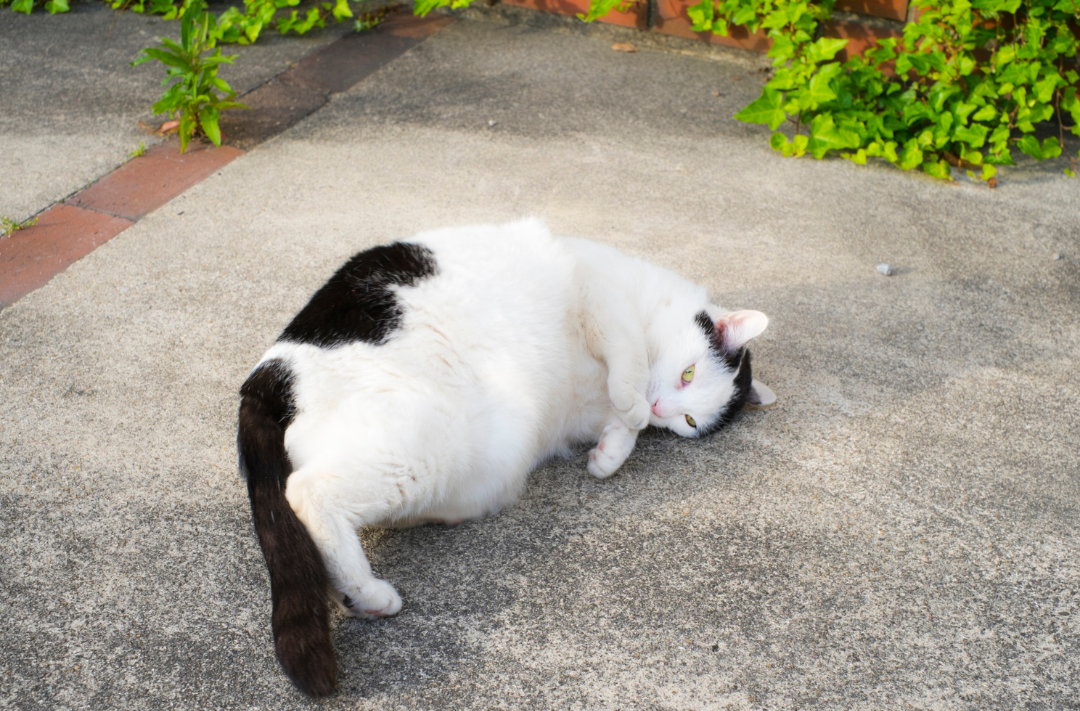
Pet obesity is one of the most common health conditions affecting dogs and cats today. As families grow and schedules get busier in communities like Celina and Prosper, it becomes even more important to focus on preventive care, balanced nutrition, and healthy lifestyle habits for pets.
At Neighborhood Veterinary Care, we work closely with local pet owners to prevent and manage obesity through personalized nutrition counseling and safe weight management plans.
Why Pet Obesity Is a Serious Health Issue
Extra weight does more than change your pet’s appearance—it can shorten lifespan and significantly increase the risk of chronic disease.
If your pet seems less active, tires easily on walks, or struggles to jump onto furniture, excess weight may be contributing to these changes.
How to Tell If Your Dog or Cat Is Overweight
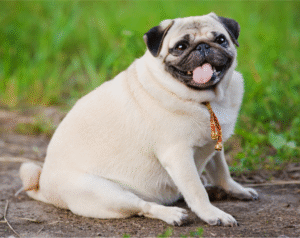
Gradual weight gain can be difficult to notice. Many loving pet owners are surprised to learn their pet is overweight.
You can do a simple check at home:
- You should be able to feel your pet’s ribs without pressing firmly.
- There should be a visible waist when viewed from above.
- From the side, the abdomen should tuck upward rather than hang down.
If you are unsure, a veterinary weight assessment can determine your pet’s body condition score and ideal weight.
Nutrition Tips for Dogs and Cats
Measure Every Meal
Free-feeding and estimating portions often lead to unintentional overfeeding. Using a proper measuring cup or kitchen scale ensures accurate calorie control and helps prevent gradual weight gain.
Choose a Balanced, High-Quality Diet
Not all pet foods are created equal. Look for:
- High-quality animal protein as the first ingredient
- Controlled fat content
- An AAFCO nutritional adequacy statement
- A formula appropriate for your pet’s life stage
For pets that are already overweight, a veterinary-recommended weight management diet may be the safest and most effective option.
Limit Treats
Treats should make up no more than 10% of your pet’s daily calorie intake. Even healthy treats add up quickly.
Healthier alternatives may include small pieces of dog-safe vegetables, measured kibble used as rewards, or low-calorie veterinary-approved treats. Avoid frequent table scraps, which can significantly increase daily calories.
The Importance of Exercise
Regular activity supports weight control, joint health, and mental stimulation.
For dogs:
- Daily walks
- Structured playtime
- Fetch or interactive toys
For cats:
- Wand toys and interactive play
- Climbing towers and vertical spaces
- Scheduled play sessions twice daily
Even small increases in daily movement can make a meaningful difference over time.
Safe Weight Loss Requires Veterinary Guidance
Healthy weight loss in pets should be gradual and carefully monitored. Rapid calorie restriction—especially in cats—can lead to serious health complications.
Routine weigh-ins allow your veterinarian to:
- Monitor progress safely
- Adjust calorie intake as needed
- Preserve lean muscle mass
- Ensure long-term success
A customized plan gives your pet the best chance at achieving and maintaining a healthy weight.
Special Considerations for Puppies, Kittens, and Senior Pets
Growing Pets
Overfeeding during early growth stages can predispose pets to lifelong obesity. Proper portion control and balanced growth are essential for long-term health.
Senior Pets
As pets age, metabolism slows and activity levels may decrease. Many senior dogs and cats require fewer calories but still need high-quality protein to maintain muscle mass and strength.
Helping Pets Live Longer, Healthier Lives
Maintaining a healthy weight can:
- Extend lifespan
- Reduce the risk of diabetes and joint disease
- Improve mobility and energy
- Enhance overall quality of life
At Neighborhood Veterinary Care, we are proud to support families with compassionate, personalized veterinary care. If you are concerned about your pet’s weight or nutrition, schedule a wellness exam so we can develop a plan tailored specifically to your dog or cat.
Small changes today can lead to a healthier future for your pet.

